
English ![]()

Views: 0 Author: Site Editor Publish Time: 2026-10-16 Origin: Site
Can one production line meet different PVC board requirements? A PVC Sheet Extrusion Line supports varied applications through suitable tooling, formulations and finishing equipment. In this article, you’ll learn how to match line configurations to decorative panels, signage and furniture boards.
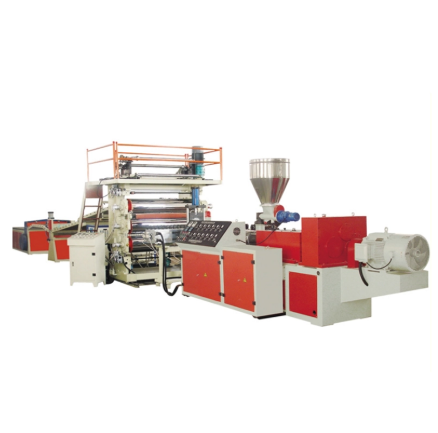
Decorative wall panels need flat substrates and consistent surface appearance. Uneven sheets can create visible installation gaps or finishing defects. BONZER’s UV Marble Sheet Production Line combines material mixing, conical twin-screw extrusion, roller shaping, UV coating, cutting and stacking. This configuration serves manufacturers producing imitation marble decorative panels.
Advertising boards must remain easy to handle during printing and installation. Their surfaces also need consistent quality for graphics and decorative films. BONZER’s foam board equipment uses controlled extrusion, foaming, calibration and cooling. Its product information identifies signage and display panels among the intended applications.
Furniture applications require more than an attractive surface finish. Buyers should evaluate stiffness, edge quality and fastener retention. A board suitable for decorative facing may need additional support in loaded components. For cabinet production, test samples using your actual drilling, routing and assembly methods before approving bulk orders.
Industrial fabricators need predictable dimensions for cutting, joining and assembly. However, machinery specifications alone cannot establish suitability for every service environment. Check the finished compound against expected temperatures, chemicals and mechanical loads. Where welding is required, test joint quality using the proposed sheet formulation and fabrication procedure.
Printing and lamination depend on a clean, consistent substrate. Surface marks can remain visible beneath decorative layers. Thickness variation may also disturb contact during finishing. Manufacturers should assess the finished sheet using their intended ink, adhesive or film. A visually smooth surface does not automatically guarantee reliable adhesion.
Hollow panels, foamed boards and multilayer sheets require different forming arrangements. BONZER’s door panel equipment combines extrusion, calibration, cooling, embossing and cutting for door components. Its configuration differs from a flat decorative sheet line. Confirm the required structure before choosing tooling or planning product expansion.
Tip: Match the production route to the board structure before comparing machine output.
Start by defining finished width, thickness, density and dimensional tolerances. Then describe the required surface and fabrication performance. Provide samples whenever appearance is difficult to explain. Written acceptance criteria help both parties evaluate trial results consistently. They also prevent disagreements about acceptable thickness variation or surface defects.
The feeding system must deliver a consistent blend into the extruder. Screw design must suit the proposed compound and production target. Solid sheets and foamed boards place different demands on processing. Ask your supplier to evaluate the actual formulation, including fillers and recycled content, before confirming the equipment arrangement.
Forming equipment determines how the emerging material reaches its final dimensions. Suitable solid sheet processes use rollers to control thickness and surface finish. Foam board processes require equipment matched to expansion and stabilization. BONZER’s PVC sheet and board production line range describes separate configurations for these product groups.
A product listing may mention several polymers within one machinery range. That does not establish compatibility across an unchanged machine setup. The supplied Sincere reference mainly describes PP/PE thick sheets and single-screw arrangements. Its listed capacities and application claims should therefore remain separate from PVC equipment selection.
Fillers influence compound behavior and finished board properties. Increasing filler content may change weight, stiffness and processing requirements. It can also affect cutting edges or impact performance. Review more than raw material cost when adjusting the recipe. Test representative boards before introducing a revised formulation into customer production.
Foamed products need consistent internal structure across the board. Uneven cells can create differences in machining behavior and local strength. For display panels, inspect cut edges alongside the printable surface. For furniture substrates, evaluate density together with fastening performance. Lower board weight only creates value when the product still meets application requirements.
Stabilizers and other additives help establish the compound’s processing and service performance. Their selection should follow the intended application. Outdoor signage, interior furniture and decorative wall panels face different exposure conditions. Confirm any required weathering or fire performance through relevant finished-product testing. Equipment configuration supports production consistency, while formulation determines many material properties.
Tip: Approve formulation changes using finished-board tests, including the customer’s actual fabrication process.
Stable PVC sheet extrusion requires coordinated feeding, heating and screw operation. Changing one setting can affect several downstream conditions. Operators should follow validated recipes for each product specification. When quality drifts, compare current readings against the approved production record. This approach helps identify causes before multiple adjustments obscure the original problem.
Material distribution across the die influences the sheet thickness profile. Operators should measure across the width rather than checking only the center. Compare both edges and intermediate positions against the agreed tolerance. Consistent thickness supports predictable finishing and assembly. It also helps prevent unnecessary material consumption from persistently oversized sheets.
Cooling must stabilize the board before cutting and handling. Thicker products generally need a different cooling assessment from thinner sheets. Haul-off settings must also match the forming process. Check dimensions again after the board reaches a consistent inspection temperature. Measurements taken too early can hide later shrinkage or distortion.
Finishing allows suitable substrates to serve different decorative requirements. However, coating and lamination need their own controlled operating conditions. Check surface cleanliness, adhesive compatibility and finish consistency during trials. BONZER’s UV marble equipment includes coating and curing stages for decorative production. Confirm the exact finishing package when specifying your line.
Accurate cutting helps customers maintain consistent assembly dimensions. Inspect finished length, width, squareness and edge condition. Rough edges may require additional trimming before installation or lamination. Include cutting quality in machine acceptance checks. Evaluating only the extruded surface leaves an important part of the finished product untested.
Surface quality can deteriorate after successful extrusion and finishing. Abrasive contact, trapped debris or unsuitable stacking can damage saleable boards. Define handling procedures before production begins. Where appropriate, assess protective films and separators using finished samples. Confirm that protection can be removed cleanly without affecting the decorative surface.
Tip: Inspect boards after stacking and unpacking to identify damage beyond the extrusion process.
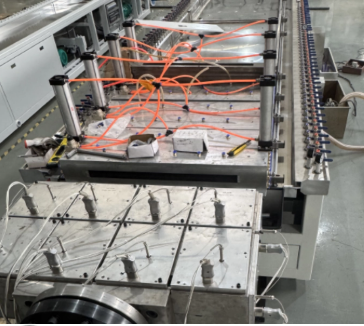
Some specification changes fit within an approved operating range. Others require different dies, calibration tools or finishing equipment. Door components illustrate why product structure matters during expansion. BONZER’s PVC Door Panel Production Line addresses this separate production route. Assess compatibility before promising new products to customers.
Document material preparation, tooling installation and approved startup conditions. Include inspection points before operators release boards for packing. Record adjustments made during successful changeovers, together with their results. These records help different shifts repeat proven conditions. They also provide a useful starting point when similar orders return.
Nominal extrusion capacity does not show how many boards customers will accept. Measure thickness, flatness, appearance and relevant mechanical properties after each changeover. Track startup scrap separately from stable production waste. This reveals whether a new specification runs efficiently. It also helps planning teams estimate realistic delivery schedules.
Trials should reflect the product you plan to sell. Provide the intended compound and agree on representative board dimensions. Evaluate samples using the customer’s finishing or fabrication process whenever possible. Record operating conditions alongside inspection results. Successful samples become more useful when the supplier can demonstrate repeatable production.
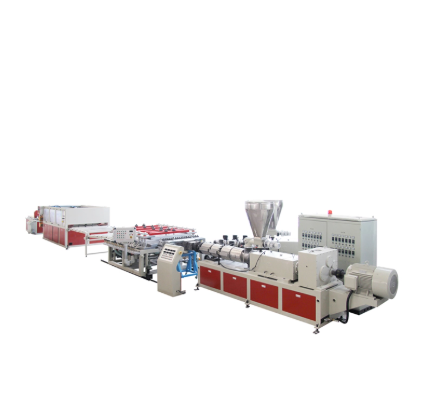
The extruder must work effectively alongside forming, cooling, cutting and handling equipment. A downstream restriction can limit accepted output despite sufficient extrusion capacity. Review utilities, workshop layout and finishing requirements together. Buyers considering signage or furniture substrates can examine BONZER’s PVC Foam Board Production Line for the relevant product route.
Compare costs using accepted boards at the required specification. Include materials, energy, labor, maintenance and changeover waste. Cost per square meter helps when dimensions and thickness remain comparable. For mixed products, also consider order sizes and available production time. A low purchase price provides limited value when frequent rejects reduce usable output.
| Target application | Main board priorities | Key production checks |
|---|---|---|
| Decorative wall panels | Flatness and consistent appearance | Substrate quality and coating results |
| Advertising displays | Low weight and printable surfaces | Density consistency and printing trials |
| Furniture components | Stiffness and fabrication performance | Fastener retention and machined edges |
| Industrial fabrication | Dimensional and material suitability | Service compatibility and joint testing |
| Door components | Suitable structure and assembly dimensions | Tooling, calibration and finished fit |
Tip: Compare supplier proposals using the same formulation, inspection criteria and accepted-output basis.
A PVC Sheet Extrusion Line serves different board applications through suitable formulations, tooling, cooling and finishing.
Matching these elements helps manufacturers maintain consistent quality and reduce production waste.
BONZER MACHINE offers dedicated sheet and board configurations, supported by material trials, installation and operator training.
These services help manufacturers align equipment capabilities with decorative panel, signage and furniture production requirements.
A: A PVC Sheet Extrusion Line produces decorative sheets and functional boards.
A: A PVC Sheet Extrusion Line needs compatible tooling and formulations.
A: PVC Sheet Extrusion Line costs depend on capacity, tooling and finishing.
A: Foam boards prioritize weight reduction; solid sheets offer compact structures.
A: Uneven cooling or unsuitable haul-off settings can cause distortion.


