
English ![]()

Views: 0 Author: Site Editor Publish Time: 2026-10-16 Origin: Site
Could your plastic scrap become useful production material again? A Plastic Granulation Line converts suitable waste into reusable pellets through controlled processing. In this article, you’ll learn how material preparation, equipment selection and quality checks support reliable pellet production.
Successful recycling starts before material enters the extruder. Separate waste by polymer, formulation and known production history. Rigid PVC, flexible PVC and wood-plastic compounds should remain identifiable streams. Mixing them without evaluation can change processing behavior and finished properties. Clearly labeled collection containers help operators maintain consistency from the beginning.
Large offcuts may require crushing before they feed consistently. Contaminated materials may also need cleaning to remove dirt or attached residues. Clean factory scrap can follow a simpler preparation route when inspection confirms suitability. Remove metals before extrusion rather than relying entirely on downstream filtration. Preparation should follow actual contamination levels.
Moisture control must suit the polymer and its storage conditions. Establish an incoming moisture limit through material trials. Then select appropriate drying equipment and handling procedures. Feeding also needs attention because irregular loading can disturb melt flow. Upstream drying prepares the feedstock; extrusion venting addresses gases released during processing.
Inside the extruder, controlled heating and screw action plasticize the material. Mixing helps distribute compatible additives and produce a consistent compound. However, excessive thermal exposure can damage sensitive materials. BONZER’s PVC equipment uses conical twin-screw extrusion for recycling and compounding applications. Its configuration should match the proposed PVC formulation.
Degassing and filtration solve different processing problems. Venting removes gases and some volatile components under suitable operating conditions. Melt filtration captures selected solid contaminants according to the filter arrangement. Neither stage replaces proper waste sorting. Confirm both systems against representative material samples, especially when contamination changes between deliveries.
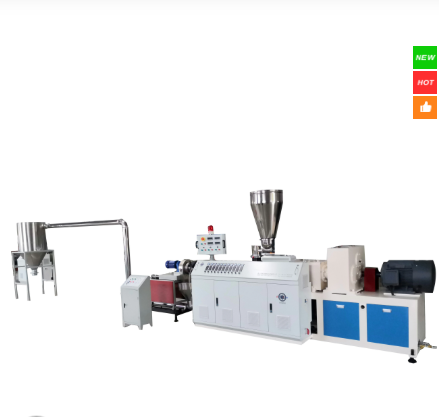
Pelletizing converts the processed material into manageable particles for subsequent production. Cutting settings and cooling conditions influence their shape and separation. BONZER’s PVC Pelletizing Extrusion Line describes strand formation, cooling and cutting. Select water or air cooling according to the confirmed configuration and material requirements.
Tip: Define incoming waste specifications before adjusting equipment to compensate for inconsistent material.
Traceable factory offcuts usually provide a clearer starting point for assessment. Operators can identify their formulation and previous processing conditions. Externally collected waste may contain more variable contamination. Inspect it before determining cleaning, drying and filtration requirements. Compare batches rather than assuming every delivery behaves like the original trial material.
Rigid and flexible PVC differ in formulation and intended performance. Plasticizer content is one important distinction when planning reuse. Keep these streams separate unless a specific blend has been validated. Langbo’s related listing describes granulation for soft and hard PVC. That capability still requires material-specific processing decisions and quality checks.
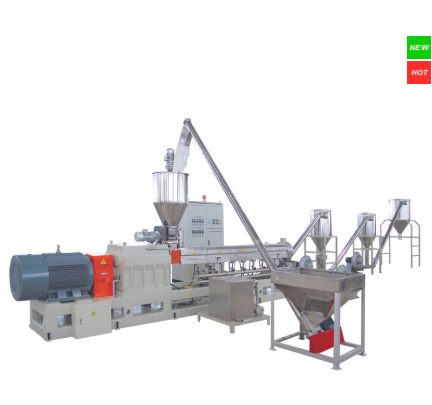
WPC production combines a polymer matrix, wood material and compatible additives. It therefore requires controlled compounding rather than simple plastic remelting. Camel’s reference describes PE/PP-and-wood pellets for two-step WPC manufacturing. BONZER’s PE-WPC Granulation Line similarly processes recycled polyethylene and wood fibers into composite pellets.
Unknown mixtures and heavily degraded scrap need additional evaluation. Uniform pellet appearance cannot establish chemical compatibility or restore lost material properties. Obtain representative samples before approving a recovery route. Where necessary, identify the polymer and assess contamination through testing. Material unsuitable for one product may require a different application or recovery method.
Choose screw design around feeding behavior, mixing requirements and thermal sensitivity. Straightforward reprocessing and filled-compound production place different demands on equipment. BONZER offers single-screw and twin-screw pelletizing configurations within its machinery portfolio. Compare them using the intended waste stream rather than selecting solely by screw count or advertised capacity.
Film, rigid flakes and filled compounds can require different feeding arrangements. Assess bulk density, moisture and contamination before specifying auxiliary equipment. BONZER’s granulation range includes material-dependent feeding, venting and filtration options. Ask which modules are included in the quotation. Optional equipment should have a clear purpose in the proposed recovery process.
Compare cutting methods using actual melt behavior and required pellet characteristics. BONZER’s granulation range lists strand, water-ring and underwater options. Their suitability depends on the material and configuration. During trials, inspect pellet separation, cooling performance and drying needs. Also compare operator workload, cleaning access and consumable replacement requirements.
Tip: A broad equipment range does not mean one unchanged setup processes every waste stream.
Temperature, screw speed and feed rate influence one another during production. Increasing output without reviewing these relationships can destabilize processing. Establish approved operating windows for each material stream. Record actual readings alongside controller settings and inspection results. When quality changes, compare the complete process record before adjusting several variables together.
Pressure trends help operators recognize changing process conditions. A rising reading may indicate restriction, although other causes require investigation. Compare pressure against feeding behavior, temperature and filter service history. Follow the manufacturer’s procedures for inspection and screen replacement. Never use a general pressure limit in place of the equipment’s approved operating limits.
Stable extrusion requires adequate capacity beyond the die. Cutting, cooling and collection must handle the material at the approved production rate. Inspect pellets before and after conveying to identify handling damage. Regular plastic pelletizer maintenance should include cutter inspection and cooling-system checks. Follow the equipment manual for adjustment and replacement procedures.
Set pellet acceptance criteria around downstream equipment and product requirements. Inspect particle consistency, fines, visible impurities and residual moisture. Sample across the production run rather than checking only startup material. Keep retained samples for comparison when complaints arise. This helps distinguish isolated problems from persistent batch variation.
Recycled plastic pellet quality extends beyond shape and color. Depending on the polymer, testing may include flow behavior, thermal stability and mechanical performance. Select methods relevant to the proposed application. Avoid applying one universal test package across unrelated materials. Results should explain whether the pellets can meet the intended manufacturing requirements.
The strongest reuse assessment includes the planned downstream process. Run pellets through representative extrusion, molding or compounding equipment. Evaluate finished parts against the normal product specification. Establish the recycled-content ratio through these trials rather than assumption. Where necessary, compare several blend ratios to identify an acceptable balance between recovery and performance.
Record waste origin, formulation, processing conditions and inspection results together. Give approved batches a clear identity before storage or shipment. Keep untested material separate from released stock. Traceability helps teams investigate downstream defects without rejecting unrelated production. It also makes supplier comparisons more useful when incoming material quality varies.
Tip: Approve pellets through finished-product trials before treating them as a routine substitute for existing material.
Begin by reviewing moisture, contamination and thermal conditions. Inspect drying and vacuum degassing where those systems are installed. Odor may also reflect incoming residues or material degradation. Compare the affected batch against approved feedstock before increasing venting or changing temperatures. One symptom can have several causes requiring different corrective actions.
Inspect cutter condition, material flow and cooling performance first. Poor cuts and insufficient cooling can produce different visible defects. Check whether conveying creates fines after otherwise acceptable pellet production. Change one relevant variable at a time and record the result. This preserves a clear connection between the adjustment and its effect.
Review feeding consistency before increasing screw speed. Then inspect possible filter restrictions and equipment wear. Compare the current waste stream against the material used during acceptance trials. A change in particle size or bulk density can affect feeding. Track approved pellet output rather than relying on short periods of high throughput.
Unexpected color changes require prompt investigation before batch release. Review heat exposure, residence time and possible stagnant material. Check whether the incoming scrap already shows degradation. Follow approved shutdown and cleaning procedures before restarting. Segregate affected pellets until testing establishes whether they remain suitable for any intended application.
| Observed problem | Areas to investigate | Practical first check |
|---|---|---|
| Bubbles or voids | Moisture, venting and contamination | Compare feedstock moisture against its approved limit |
| Uneven pellet size | Cutter condition and material flow | Inspect cutting components and pellet samples |
| Pellets sticking together | Cooling and handling conditions | Check pellet separation before collection |
| Falling output | Feeding, filtration and wear | Review feed consistency and pressure trends |
| Discoloration | Material history and thermal exposure | Compare incoming scrap and process records |
Compare incoming waste mass against approved pellets over the same reporting period. Account for sorting losses, filter residues, fines and rejected batches. Use dry-mass measurements when moisture would distort the comparison. Recovery yield equals approved pellet mass divided by incoming waste mass, multiplied by 100. Track accepted output separately from nominal machine capacity.
Include preparation, electricity, labor, consumables, maintenance and testing in the calculation. Add changeover losses and disposal costs where relevant. Divide total processing cost by accepted pellet mass. Then compare that figure against the material’s realistic reuse value. This gives a stronger investment basis than comparing equipment prices or extrusion rates alone.
Request trials using representative waste and agreed pellet specifications. Review preparation, extrusion, cooling and collection as one production system. BONZER’s plastic extrusion machinery range includes material trials, installation, commissioning and operator training. Confirm the proposed service scope, utilities and acceptance conditions before finalizing the project.
Tip: Compare supplier proposals using identical feedstock, pellet acceptance criteria and cost-per-accepted-kilogram calculations.
A Plastic Granulation Line creates value by turning suitable waste into consistent, tested pellets. Sorting, preparation, extrusion and pelletizing each influence the result. Successful reuse also depends on downstream validation.
BONZER MACHINE offers PVC recycling and PE-WPC granulation equipment for different processing needs. Define your waste characteristics and required pellet performance first. These details help establish a configuration that supports reliable recovery and practical manufacturing value.
A: A Plastic Granulation Line converts suitable waste into reusable pellets.
A: A Plastic Granulation Line must match feedstock and pellet requirements.
A: Plastic Granulation Line costs depend on capacity, preparation and filtration.
A: Melt filtration removes selected solid contaminants, improving pellet cleanliness.
A: Adequate pellet cooling separates particles before collection; check cooling performance when agglomeration occurs.


